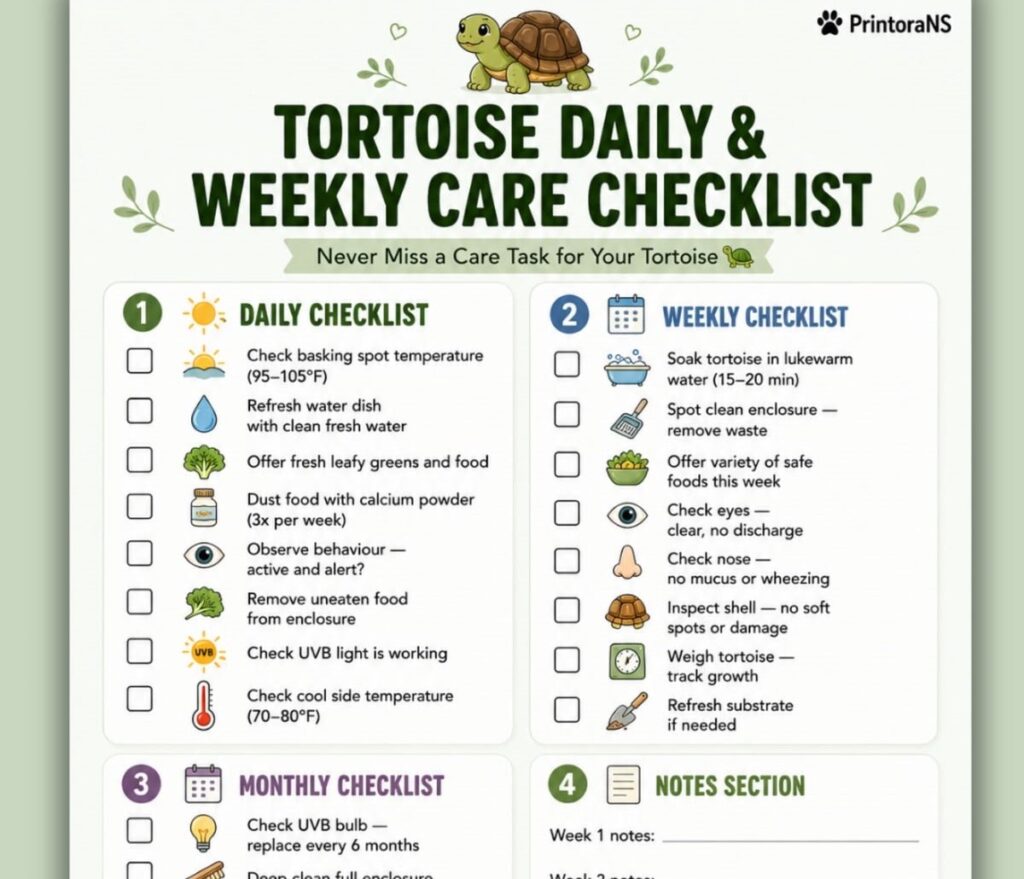
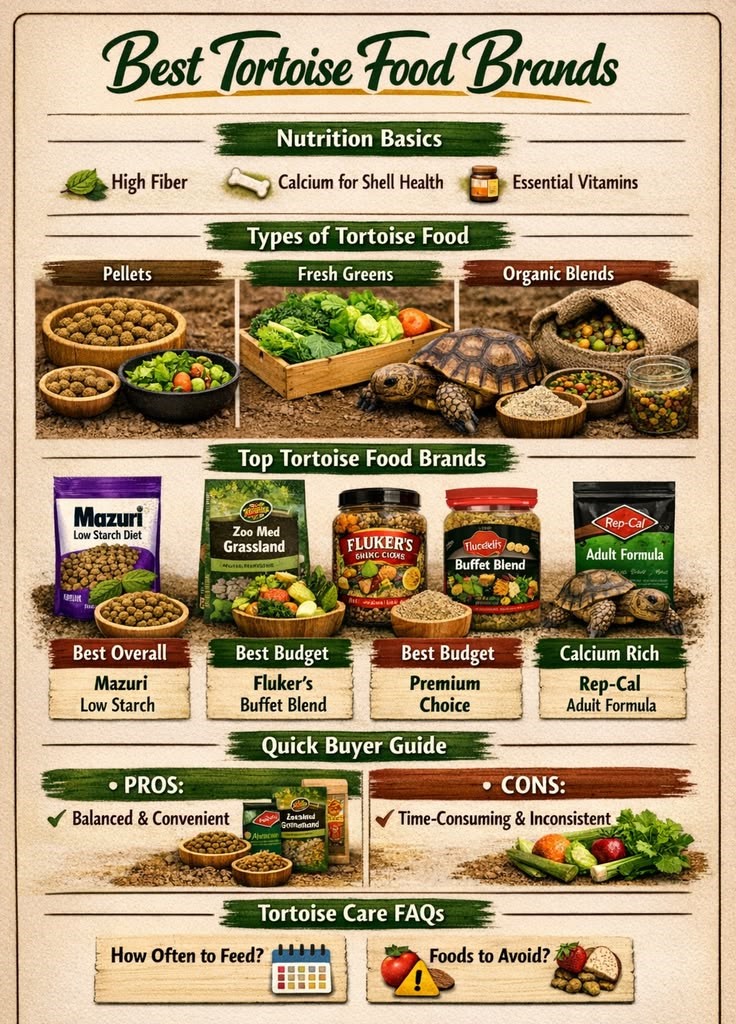
A healthy tortoise starts with the right diet and a consistent daily care routine. While tortoises are generally low-maintenance pets, they depend on proper nutrition, clean habitats, and regular observation to live long, healthy lives. Whether you’re caring for a hatchling or an adult tortoise, understanding their daily needs is essential for preventing health problems and promoting natural behaviors.
| Nutrition | Daily Care |
|---|---|
| ✔ Feed leafy greens and weeds daily | ✔ Refresh water every day |
| ✔ Provide calcium supplements regularly | ✔ Spot‑clean the enclosure |
| ✔ Avoid high‑protein and sugary foods | ✔ Check temperatures and UVB lighting |
| ✔ Offer a varied diet | ✔ Observe appetite and activity |
| ✔ Ensure constant access to clean water | ✔ Inspect your tortoise for signs of illness |
Key Takeaway: A balanced diet, proper UVB lighting, fresh water, and a clean enclosure are the foundations of a healthy, happy tortoise. Shop now
Most pet tortoises are herbivores, meaning their diet should consist primarily of high-fiber plants, weeds, and leafy greens. A varied diet helps provide the vitamins and minerals they need for healthy growth and shell development.
Offer a variety of these foods throughout the week:
A varied diet encourages natural foraging behavior and helps prevent nutritional deficiencies.
Not every vegetable or fruit is safe for tortoises.
Avoid feeding:
Many tortoise species should also receive fruit only rarely—or not at all—depending on their natural diet.
Calcium is essential for:
Without enough calcium, tortoises can develop soft shells and metabolic bone disease.
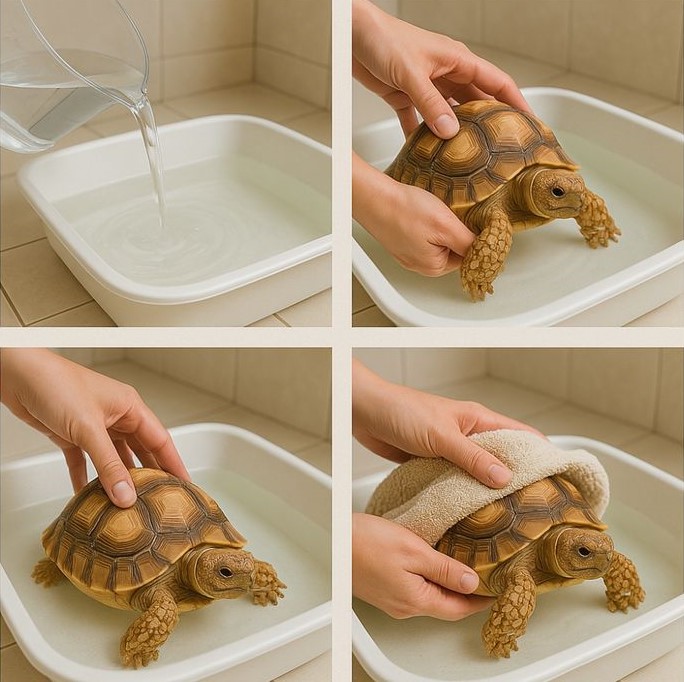
Even desert tortoises need regular access to fresh water.
Provide:
Proper hydration supports digestion, kidney health, and overall well-being.
A few minutes each day can make a big difference in your tortoise’s health.
In addition to daily care:
Keeping a simple care log can help you notice changes before they become serious problems.
A healthy tortoise should:
Contact a reptile veterinarian if you notice:
Early treatment often leads to better outcomes.
Use this quick checklist every day:
✅ Fresh water provided
✅ Fresh food offered
✅ UVB and heat lamps working
✅ Basking temperature checked
✅ Enclosure spot-cleaned
✅ Tortoise active and alert
✅ No signs of illness or injury
Most adult tortoises eat once daily, while hatchlings and juveniles may require daily feeding with closer monitoring. The exact schedule depends on the species and age.
Many tortoises benefit from calcium supplements, while additional vitamins should only be used if recommended for your species or by a reptile veterinarian.
Some species can enjoy small amounts of fruit occasionally, while many Mediterranean tortoises should receive very little or none due to the high sugar content.
Spot-clean every day and perform a more thorough cleaning weekly or as needed.
Proper nutrition and daily care are the foundation of a long, healthy life for your tortoise. By providing a varied, high-fiber diet, fresh water, adequate calcium, proper UVB lighting, and a clean habitat, you’ll help your shelled companion thrive for decades.
Consistency is key. A simple daily routine not only keeps your tortoise healthy but also helps you notice subtle changes in behavior or appetite before they become serious health concerns. With attentive care and a balanced diet, your tortoise can enjoy a happy, active life for many years to come.
Passion, expertise, and compassion at the heart of everything we do, guiding responsible ownership and lifelong care for every tortoise and turtle.
WhatsApp us